
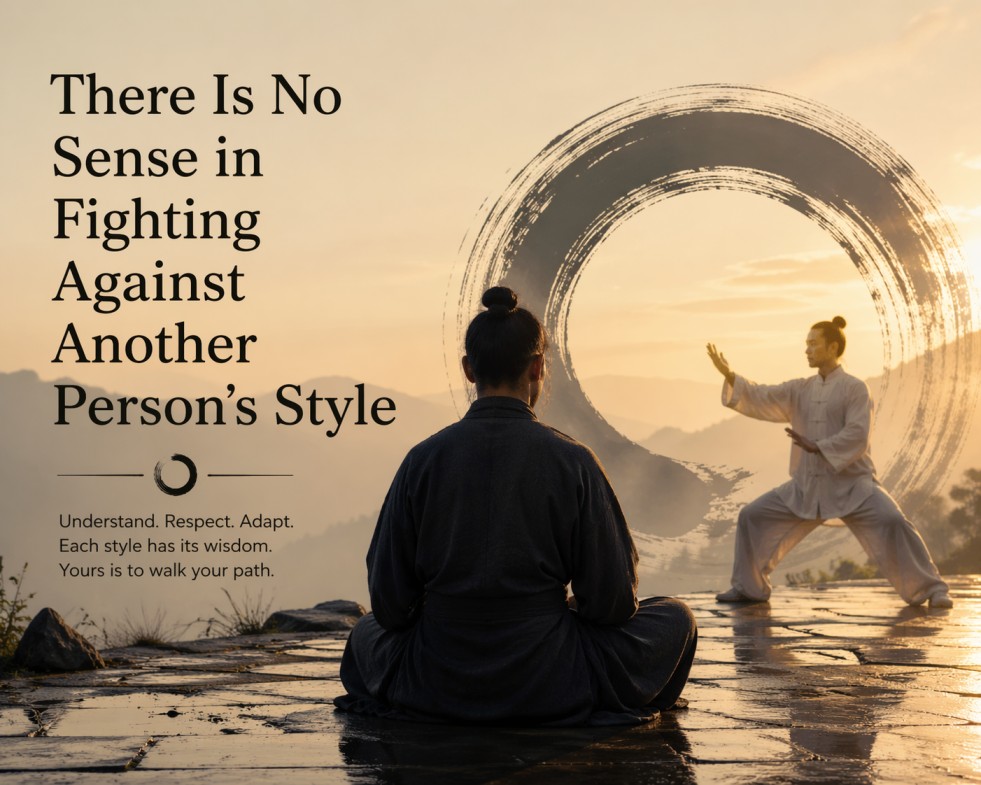
Every human being arrives on this earth carrying a unique inner blueprint — a personal style that shapes how they think, feel, speak, decide, love, and face challenges. This style is not chosen; it is received at birth, like the color of one’s eyes or the rhythm of one’s heartbeat. As life unfolds, this style does not fade. It grows, deepens, and becomes more distinct, like a tree whose branches spread wider with every passing season.
What we call “tendency” or “style” is the invisible architecture of a person’s soul — the way they process emotions, handle conflict, express affection, manage time, or respond under pressure. One person moves through life like a calm river, steady and patient. Another surges like a mountain stream, fast and intense. One speaks directly; another circles gently around the point. One thrives in structure; another blooms in spontaneity. These differences are not flaws. They are the natural variety of humanity.
The Origin of Our Differences
Why are we so different? The answer lies in two intertwined forces: nature and nurture.
From the moment of birth, each of us is wired with certain temperaments. Science calls these innate traits — genetic predispositions that influence our nervous system, our energy levels, our sensitivity to stimuli, and our preferred ways of interacting with the world. Some children enter the room loud and curious; others observe quietly from the corner. These early patterns are not taught; they are simply there.
As we grow, life adds its own brushstrokes. Family culture, education, successes and failures, joys and wounds, the society we live in — all of these shape and polish our original style. A child born with a cautious nature may become even more careful after experiencing betrayal. A naturally bold spirit may learn restraint after repeated setbacks. Yet the core tendency remains. It does not disappear; it only matures or, in some cases, becomes hidden under layers of adaptation.
This is why two people raised in the same house can be astonishingly different. This is why lovers who once felt perfectly matched suddenly clash after years together. Our styles are not opinions we can change at will. They are the very operating system of our personality.
The Futility — and the Cost — of Fighting
When we encounter a style that differs from our own, the first impulse is often resistance. We try to correct it. We argue, criticize, manipulate, or withdraw. We say things like:
- “Why can’t you just be more organized?”
- “Stop being so emotional!”
- “You need to speak up!”
- “You talk too much!”
We fight because we believe our own style is the “right” one. We believe that if only the other person would change, everything would be peaceful. But this belief is an illusion.
Fighting another person’s core style is like trying to push the ocean back with your hands. You may create temporary waves of compliance, but the tide always returns. The energy spent in battle exhausts both sides. Trust erodes. Resentment builds. Love turns into a scoreboard of who changed more. Relationships fracture not because people are bad, but because they waged war against something that was never meant to be conquered.
There is simply no sense in it.
The Path of the Wise: Understanding, Acceptance, and Flexibility
The truly wise person does not fight the styles of others. Instead, they do something far more powerful: they learn to dance with them.
This wisdom rests on four pillars:
- See Clearly Observe without immediate judgment. Notice the pattern instead of reacting to the behavior. Ask yourself: “What is this person’s natural style? Is it speed or slowness? Directness or gentleness? Structure or flow?” When you can name the style, it stops being a mystery and starts becoming understandable.
- Accept Without Fixing Acceptance does not mean agreement with every action. It means recognizing that the other person’s tendency is as real and valid as your own. You do not have to like every expression of their style, but you stop demanding that they become a different person. Acceptance frees you from the exhausting role of constant reformer.
- Stay Flexible Flexibility is the art of adjusting your own response without abandoning your values. A flexible person does not become a doormat; they become a skilled navigator. They learn when to step back, when to speak softly, when to set a gentle boundary, and when to simply wait. Flexibility turns potential conflict into creative tension.
- Build Practical Mechanisms Wisdom without tools is only theory. The wise person creates small, repeatable systems for dealing with differences:
- Pause and Name: When tension rises, silently name the styles in play (“This is my fast style meeting their slow style”). Naming reduces emotional charge.
- Translate: Learn the other person’s “language.” If they need time to process, give them time instead of pushing. If they need direct words, speak plainly instead of hinting.
- Self-Anchor: Before reacting, ask: “Is this my style clashing, or is this truly harmful?” Protect your own peace first.
- Appreciate the Gift: Every style brings something valuable. The cautious person prevents disasters. The bold person creates breakthroughs. The quiet one offers depth. The expressive one brings warmth. Look for the gift hidden inside the difference.
Managing Yourself: The Real Work
The deepest work is never about changing the other person. It is about mastering yourself.
Begin with self-awareness. Know your own style as clearly as you know the sun rises in the east. What triggers you? What drains you? What makes you feel safe? When you understand your own operating system, you stop blaming others for the friction and start taking responsibility for your reactions.
Then practice emotional regulation. When another person’s style collides with yours, the heat you feel is not their fault — it is information. Use that heat as a signal to breathe, to step away if needed, to choose a response instead of exploding into a reaction.
Finally, cultivate curiosity. Replace judgment with wonder: “What can I learn from this style that is different from mine?” Curiosity turns every difficult interaction into a classroom for your own growth.
The Quiet Power of This Wisdom
When you stop fighting another person’s style, something miraculous happens. Tension softens. Understanding deepens. Relationships become lighter, not because everyone is the same, but because everyone is finally allowed to be who they truly are.
You do not lose yourself in this practice. You actually become more powerful — because your energy is no longer wasted in futile battles. It is now free to create, to love, to build, and to live with open hands and an open heart.
This is the mark of a mature soul: not the ability to force the world to match your style, but the grace to move gracefully among all the different styles that make our human family so rich.
In the end, the stars do not fight one another for space in the sky. They simply shine in their own light. So can we.
And in that shining — without fighting, without forcing, without fear — we discover the deepest peace any heart can know.
Ashis Khadka
CEO, COM NEPAL
